

01
Start with the setting
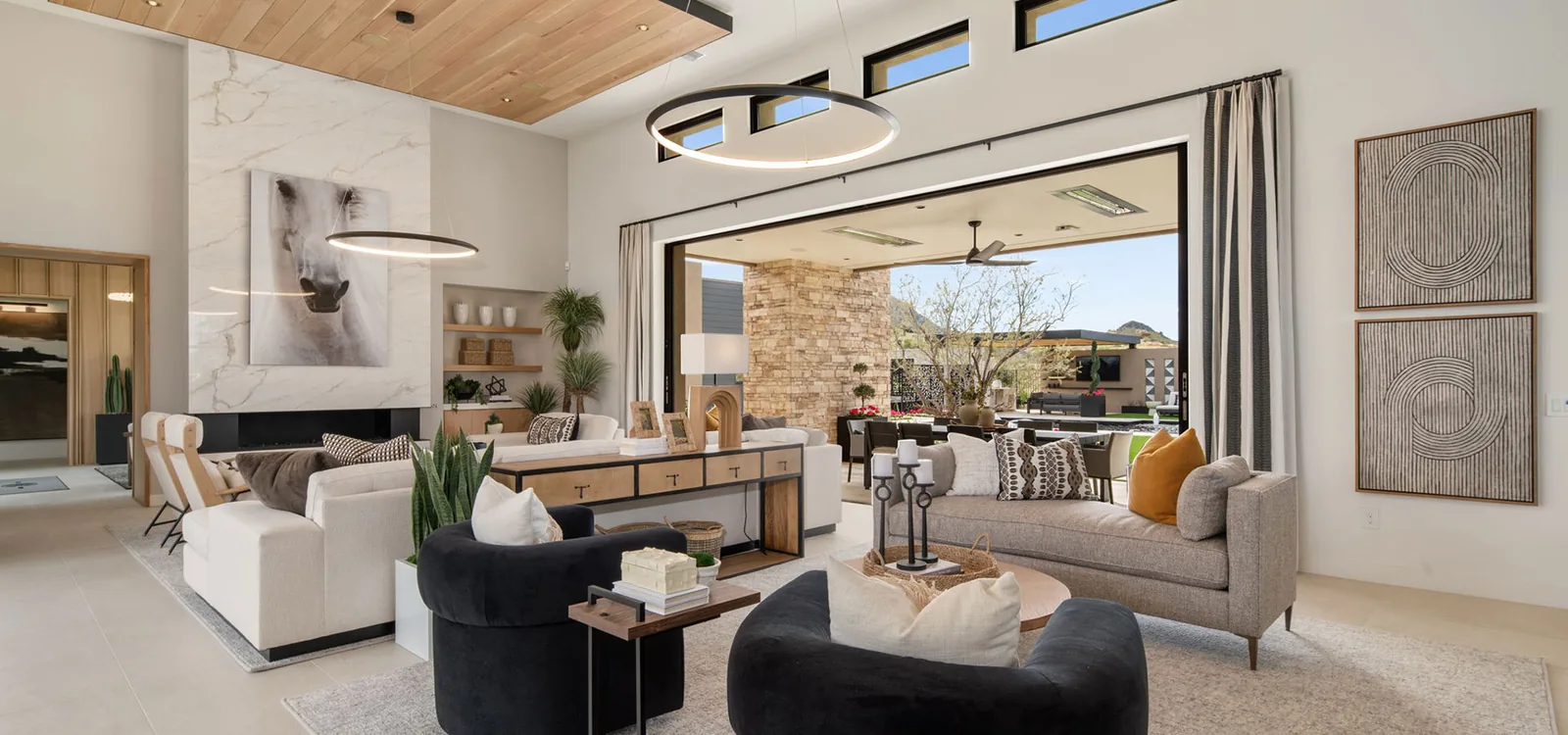
A property is experienced from its site outward. Visit at more than one time of day when possible, and pay attention to orientation, shade, views, privacy, neighboring uses, access, and the relationship between indoor and outdoor spaces.
Distinguish what you can observe from what needs to be verified. A photograph or a short visit cannot establish noise patterns, future view conditions, or the full limits of a parcel.
02
Look at how the home works
Consider how the layout supports daily life, where storage is available, and how the building’s materials and systems may affect care over time. In a distinctive home, specialist maintenance and replacement needs deserve the same attention as visible finishes.
An independent inspection and appropriate specialist reviews can help turn initial questions into property-specific information.
03
Confirm the obligations and records
Request and review the available property documents, ownership obligations, and any association or club rules that may apply. Ask the relevant professionals to verify records, restrictions, permits, utilities, and insurance questions for the exact address.
No single checklist replaces advice from qualified legal, tax, inspection, insurance, or other professionals where it is needed.